
Have you recently learned that you have a cavity, or are you wondering whether a dark or worn filling should be replaced? Dental fillings are among the most common restorative treatments, yet many patients are unsure what the process involves. Fortunately, modern tooth-colored dental fillings can repair suitable areas of decay while blending naturally with surrounding teeth. Understanding how fillings work helps make the treatment process more familiar and manageable.
At Red River Dental, we provide personalized cavity treatment in East Grand Forks using tooth-colored restorative materials when appropriate. Whether you need your first filling or want to discuss an aging restoration, our team focuses on preserving healthy tooth structure while restoring everyday function. Learning about filling materials, the procedure, and proper aftercare can help you make an informed decision about your oral health.
What Are Tooth-Colored Dental Fillings?
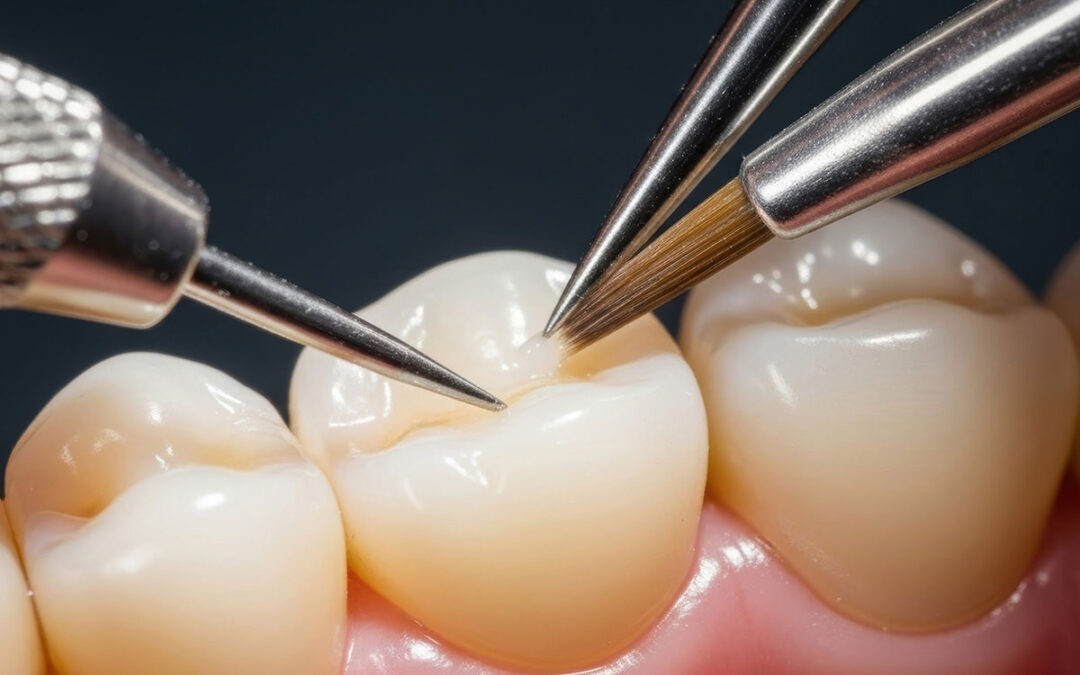
Tooth-colored dental fillings are restorations made from materials selected to closely resemble natural tooth enamel.
One commonly used material is composite resin, which combines a resin matrix with small filler particles that provide strength and wear resistance.
Composite materials are available in various shades, allowing the dentist to select a color that complements surrounding tooth structure.
During treatment, the dentist removes decayed or damaged portions of the tooth and places the restorative material into the prepared area.
The material is shaped to reproduce the tooth’s natural contours and hardened using an appropriate curing light.
Finally, the restoration is adjusted and polished to support a comfortable bite.
Although tooth-colored fillings are often associated with cosmetic dentistry, their primary purpose is restorative. They replace lost tooth structure and help protect against further damage.
However, fillings are not suitable for every damaged tooth. Extensive fractures or large areas of missing structure may require an inlay, onlay, crown, or another treatment.
How Do Cavities Develop?
A cavity develops when tooth enamel loses minerals faster than it can naturally regain them.
Bacteria within dental plaque use sugars and other fermentable carbohydrates from foods and drinks to produce acids.
Repeated acid exposure can gradually weaken enamel, eventually creating a permanent opening in the tooth structure.
Early enamel changes may not cause pain, which is one reason regular dental examinations are important.
As decay progresses into dentin, the layer beneath enamel, patients may experience sensitivity to cold temperatures, sweet foods, or chewing.
However, some cavities remain painless until they become relatively large.
The risk of decay is influenced by brushing habits, fluoride exposure, diet, saliva flow, medications, and individual dental conditions.
Frequent snacking and sipping sugary beverages can increase the number of acid attacks experienced by the teeth throughout the day.
Consistent preventive habits and early treatment can help reduce the likelihood of extensive damage.
When Does a Cavity Need a Filling?
Not every early sign of enamel demineralization requires a filling. Some initial changes can be managed with fluoride, improved oral hygiene, and dietary adjustments when the enamel surface remains intact.
However, once decay creates a cavity that cannot be predictably repaired through preventive measures, restorative treatment is usually necessary.
The dentist evaluates the size, depth, and location of the lesion to determine the most appropriate approach.
Dental X-rays may help reveal decay between teeth or beneath certain existing restorations.
In addition, a clinical examination allows the dentist to evaluate visible damage, tooth structure, and other concerns.
Small to moderate cavities are commonly treated with fillings because sufficient healthy tooth structure remains to support the restoration.
If decay extends deeply toward the pulp, additional treatment may be needed.
The objective is to preserve as much healthy tooth structure as possible while providing a restoration that supports long-term function.
Benefits of Tooth-Colored Dental Fillings
Tooth-colored dental fillings offer several practical advantages when used for suitable cavities or minor tooth damage.
- Natural appearance: Composite materials can be matched to the shade of surrounding teeth.
- Conservative preparation: Adhesive techniques may allow the dentist to preserve more healthy tooth structure in selected cases.
- Restored function: Properly placed fillings rebuild damaged surfaces and support comfortable chewing.
- Versatile application: Composite resin can repair cavities and certain small chips or defects.
- Direct placement: Many composite fillings can be completed in a single appointment.
- Repair possibilities: Some damaged composite restorations may be repaired without replacing the entire filling.
- Mercury-free material: Composite fillings do not contain dental amalgam mercury.
- Customized shaping: The dentist can contour and polish the filling to complement the natural tooth.
These advantages depend on the size of the restoration, its location, the patient’s bite, and proper placement technique.
Like other dental restorations, composite fillings can wear or develop problems over time and require regular monitoring.
What Happens During a Tooth-Colored Filling Procedure?
The procedure usually begins with an examination and confirmation of the tooth requiring treatment.
If the cavity involves sensitive areas, local anesthesia is commonly used to numb the tooth and surrounding tissues.
Once the area is comfortable, the dentist removes the decayed tooth structure using appropriate instruments.
The goal is to eliminate compromised tissue while preserving healthy areas that can support the filling.
The prepared tooth is then cleaned, and the dentist follows the bonding protocol required for the selected composite material.
Keeping the treatment area appropriately isolated from moisture is important because contamination can affect adhesive performance.
The resin material may be placed in layers, with each portion hardened using a dental curing light.
After the cavity is filled, the dentist shapes the restoration to recreate the intended tooth contours.
Your bite is checked to determine whether the filling contacts opposing teeth appropriately.
Finally, the surface is polished to remove rough edges and provide a smooth finish.
The appointment length depends on the size, location, and number of cavities being treated.
Do Tooth-Colored Dental Fillings Hurt?
Many patients worry about discomfort during filling treatment, especially if they have not received dental care recently.
Local anesthesia can usually make the procedure comfortable when the tooth requires numbing.
During treatment, you may notice pressure, vibration, or the sound of dental instruments.
However, sharp pain should be reported so the dentist can evaluate whether additional anesthesia or another adjustment is necessary.
After the appointment, temporary numbness may continue for several hours.
Some patients also experience mild sensitivity to temperature or biting pressure as the tooth adjusts to the new restoration.
Although this sensitivity often decreases, persistent discomfort should be evaluated.
At Red River Dental, our team emphasizes clear communication and personalized comfort measures to help patients feel more at ease during treatment.
How Long Do Composite Dental Fillings Last?
Composite dental fillings can remain functional for many years, but their longevity varies considerably.
Factors include the size of the filling, the location of the tooth, the patient’s bite, oral hygiene, and the amount of healthy supporting structure.
For example, a small filling in a relatively low-stress area may experience different wear than a large filling on a back molar.
Patients who grind or clench their teeth may place additional pressure on restorations, potentially increasing the risk of fractures or wear.
Decay can also develop around a filling if bacteria accumulate along its margins.
Consequently, even a filling that appears intact should be evaluated during regular dental examinations.
Some restorations last well beyond ten years, while others need attention sooner.
Rather than assuming a filling has a fixed expiration date, your dentist will recommend replacement or repair based on its actual condition.
Tooth-Colored Fillings vs. Silver Fillings
Traditional silver-colored fillings are generally made from dental amalgam, a material containing a combination of metals.
Composite resin fillings, meanwhile, use tooth-colored materials that bond to prepared tooth structure.
The main visible difference is appearance. Composite can blend with surrounding enamel, while amalgam has a metallic color.
Both materials have clinical considerations involving durability, placement conditions, preparation, and patient preferences.
Composite resin is technique-sensitive because moisture control is important during bonding.
Amalgam restorations may perform well in certain situations, although their use has declined in many dental practices as tooth-colored materials have become more widely available.
Patients sometimes ask whether every existing amalgam filling should be replaced with composite.
However, a functional filling without decay or damage does not automatically need replacement solely because of its material.
Unnecessary replacement removes some additional tooth structure and introduces other treatment considerations.
A dental examination can help determine whether replacement is appropriate based on the restoration’s condition and the patient’s goals.
Can Tooth-Colored Fillings Fix Chipped Teeth?
Composite resin is used for more than treating cavities. In certain situations, it can also restore small chips or minor defects in natural teeth.
This type of treatment is sometimes called dental bonding.
The dentist applies and shapes the tooth-colored material to replace the missing portion of the tooth.
For suitable chips, bonding can provide a relatively conservative alternative to more extensive restorations.
However, its suitability depends on the location and size of the damage, the forces applied to the tooth, and the condition of the remaining structure.
Larger fractures may require crowns or other treatment, particularly when the tooth is significantly weakened.
Teeth with deep cracks or possible nerve damage may need additional evaluation before cosmetic or restorative bonding is considered.
The most appropriate treatment balances appearance, structural strength, and long-term function.
How Should You Care for a New Dental Filling?
After receiving a filling, follow the instructions provided by your dentist.
When local anesthesia is used, avoid chewing until normal sensation returns so you do not accidentally bite your tongue or cheek.
Composite fillings are generally hardened during the appointment, although temporary sensitivity may influence which foods feel comfortable afterward.
Continue brushing twice daily with fluoride toothpaste and cleaning between your teeth every day.
Maintaining good oral hygiene is especially important because decay can develop in the natural tooth around a filling.
Avoid using your teeth to open packages or chew hard objects such as ice.
If you notice a sharp edge, persistent sensitivity, or discomfort when biting, contact the dental office.
Sometimes a minor adjustment is needed when a filling contacts the opposing tooth more heavily than intended.
Regular dental cleanings and examinations allow the dentist to monitor the restoration and identify problems before they become extensive.
What Are the Signs That an Old Filling Needs Replacement?
Dental fillings can become worn, damaged, or compromised over time.
Possible warning signs include a visible crack, a missing piece of filling material, or a rough edge that catches on floss.
New sensitivity when eating or drinking may also suggest a problem, although other dental conditions can produce similar symptoms.
Food repeatedly becoming trapped around a restored tooth may indicate changes in contact points or restoration contours.
Sometimes decay develops beneath or alongside an existing filling without obvious symptoms.
For this reason, regular dental examinations and appropriate imaging remain important even when the filling feels comfortable.
Not every discolored filling requires replacement. Surface staining can sometimes be addressed through polishing, while minor defects may be suitable for repair.
Your dentist can determine whether the restoration should be monitored, repaired, or replaced.
How Can You Prevent Future Cavities?
Preventing future cavities involves consistent daily habits and professional dental care.
Brush twice daily with fluoride toothpaste, and clean between teeth at least once each day.
Limit frequent exposure to sugary drinks and snacks, particularly when consumed throughout the day.
Water is generally a good choice between meals because it does not provide sugars that feed acid-producing bacteria.
Patients with dry mouth should discuss the condition with their dentist because reduced saliva can increase cavity risk.
Depending on your risk level, the dental team may recommend additional fluoride treatment or other preventive measures.
Routine appointments also help identify early enamel changes before they progress into larger cavities.
By combining prevention with timely restorative treatment, patients can reduce the likelihood of requiring more extensive dental work.
Frequently Asked Questions About Tooth-Colored Dental Fillings
How long does it take to get a tooth-colored filling?
Many fillings can be completed during a single appointment. The time required depends on the cavity’s size, location, and whether multiple teeth need treatment.
Can tooth-colored fillings stain?
Composite resin can develop surface discoloration over time, particularly with frequent exposure to staining substances. Professional polishing may improve certain superficial stains.
Do composite fillings contain mercury?
No. Composite resin fillings do not contain dental amalgam mercury. They are made from resin-based materials combined with filler particles.
Is sensitivity normal after a dental filling?
Mild temporary sensitivity can occur after treatment. However, severe, persistent, or worsening pain should be evaluated by your dentist.
Can an old silver filling be replaced with a tooth-colored filling?
Yes, in appropriate situations. Your dentist should examine the existing filling and remaining tooth structure to determine whether replacement is necessary and which material is suitable.
Restore Your Tooth With Personalized Dental Care
Tooth-colored dental fillings provide a practical way to repair suitable cavities while maintaining the natural appearance of your teeth. Understanding the procedure, aftercare, and signs of restoration wear helps you protect your oral health for the long term.
If you suspect you have a cavity or would like an existing filling evaluated, Book an Appointment with Red River Dental in East Grand Forks, MN. Call (218) 773-3004 or visit our contact page to schedule your visit.