
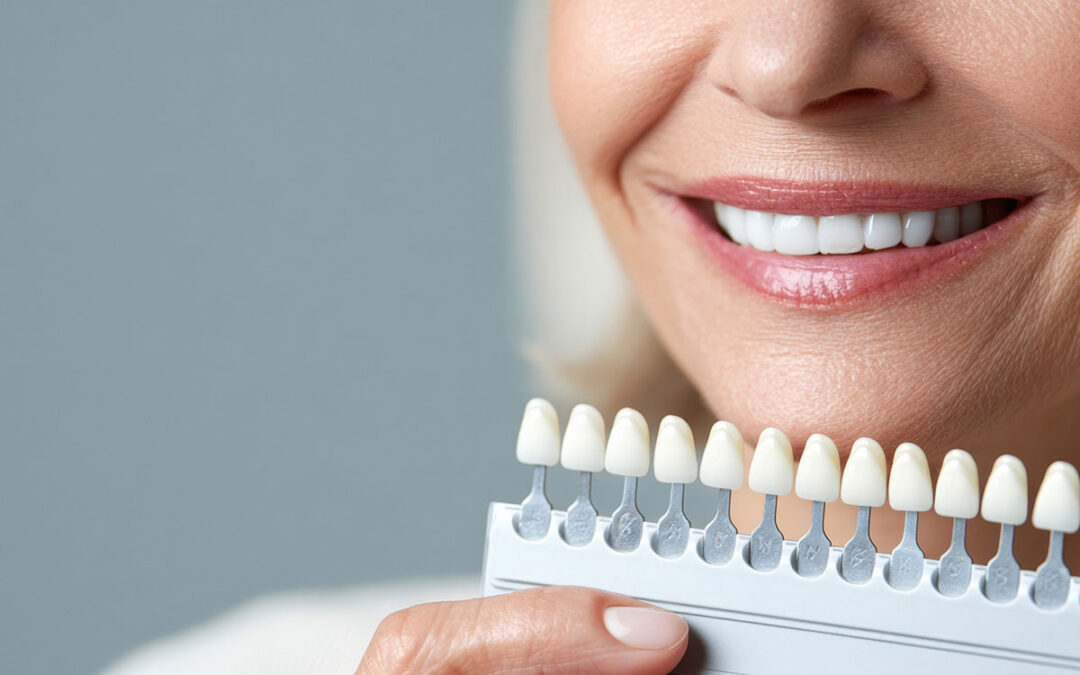
Have you ever wondered whether professional teeth whitening or dental veneers would be a better choice for your smile? Both treatments can enhance the appearance of teeth, but they accomplish different things. While whitening focuses on brightening natural enamel, veneers can change the visible color, shape, and proportions of selected teeth. Understanding these differences makes it easier to explore cosmetic dentistry without committing to a treatment before you know what it involves.
At Red River Dental, we believe cosmetic improvements should complement your natural features and personal preferences. Our dental veneers in East Grand Forks are customized to support a natural-looking result. Whether you are interested in addressing discoloration, small chips, or uneven tooth contours, knowing how veneers compare with teeth whitening can help you make a comfortable, informed decision.
What Is the Difference Between Dental Veneers and Teeth Whitening?
The primary difference between dental veneers and teeth whitening is the way each treatment changes the appearance of teeth. Whitening treatments use approved bleaching agents to lighten certain stains within natural tooth structure. They do not change the underlying shape, position, or size of a tooth.
Dental veneers, on the other hand, are thin, custom-made coverings bonded to the front surfaces of teeth. They can conceal selected imperfections while creating a more uniform visible appearance.
Because veneers are individually designed, they may be used to address more than one cosmetic concern at the same time. For example, a veneer may improve the appearance of a tooth that has both discoloration and a minor chip.
However, dental veneers typically involve a greater commitment than whitening. Traditional veneers often require some enamel removal, making the procedure generally irreversible.
For that reason, a dentist should evaluate your oral health, expectations, and available alternatives before recommending cosmetic treatment.
How Professional Teeth Whitening Works
Professional teeth whitening is intended to brighten natural teeth that have become stained or discolored. Common contributors to surface staining include coffee, tea, tobacco, and certain foods.
Natural aging may also change the appearance of tooth color as enamel becomes thinner and the underlying dentin becomes more noticeable.
Whitening products typically contain hydrogen peroxide or carbamide peroxide. These ingredients work by breaking down certain stain molecules, allowing teeth to appear lighter.
The amount of improvement varies according to the original tooth color, the cause of discoloration, and individual response to treatment.
Importantly, whitening does not change the color of existing crowns, veneers, or tooth-colored fillings. Consequently, patients with visible restorations may need to consider whether whitening could create a noticeable color difference.
Although whitening can be an effective option for suitable patients, it is not appropriate for every type of discoloration. Some stains originating within the tooth may respond poorly to bleaching.
How Dental Veneers Transform the Appearance of Teeth
Dental veneers are designed to cover the front surfaces of selected teeth. Porcelain veneers are often chosen for their ability to reproduce natural-looking color, shape, and light reflection.
At Red River Dental, veneer treatment includes customized smile planning and fabrication through a dental laboratory. This allows the dental team to consider your natural tooth proportions, bite, and preferred appearance.
Veneers may be considered for teeth with persistent discoloration, minor chips, uneven edges, or small spaces. However, they are not a substitute for treating active decay, gum disease, or major orthodontic problems.
During preparation, a small amount of enamel may be removed to create sufficient space for the veneer. The amount varies depending on the treatment design and your existing tooth structure.
Red River Dental also offers no-prep veneer options for suitable patients. These designs may require little or no enamel removal, although not every smile is appropriate for this approach.
Once fabricated, veneers are carefully bonded to the prepared teeth. The dentist then evaluates their fit, contours, and bite to support comfortable everyday function.
Benefits of Dental Veneers
Dental veneers offer several advantages for people who want to address specific cosmetic concerns. When treatment is appropriately planned, veneers can provide a customized appearance while maintaining comfortable tooth function.
- Customized appearance: Veneers can be designed to complement the color, shape, and proportions of surrounding teeth.
- Multiple cosmetic improvements: One treatment may address discoloration, small chips, and certain irregular tooth contours.
- Stain resistance: Porcelain veneers generally resist many common surface stains better than natural enamel.
- Natural-looking results: Modern ceramic materials can reflect light similarly to natural teeth.
- Long-term durability: Properly maintained veneers can remain functional for many years.
- Personalized planning: Smile previews and temporary restorations may help patients understand their proposed results.
- Minimal-preparation possibilities: Certain cases may qualify for no-prep veneers that preserve more natural enamel.
These advantages make veneers a useful cosmetic treatment for selected patients. Nevertheless, their durability depends on oral hygiene, bite forces, the amount of supporting tooth structure, and ongoing dental care.
Benefits of Professional Teeth Whitening
Professional teeth whitening offers a different set of advantages. Because it focuses on tooth color rather than tooth shape, it may be appropriate for patients who are otherwise satisfied with the appearance and alignment of their teeth.
- Conservative treatment: Whitening generally does not require removing healthy enamel.
- Color improvement: Suitable natural teeth may become visibly lighter after treatment.
- Less extensive care: Whitening typically requires less dental preparation than veneer treatment.
- Flexible maintenance: Future touch-up treatment may help manage recurring stains.
- Lower initial cost: Whitening commonly costs less than placing multiple custom veneers.
Whitening results are not permanent. Additionally, temporary sensitivity or gum irritation can occur, especially when whitening products are used incorrectly.
For these reasons, discussing whitening with your dentist helps determine whether treatment is appropriate and how to reduce unwanted side effects.
Which Treatment Works Better for Stained Teeth?
The best treatment for discolored teeth depends largely on why the discoloration developed.
For example, stains associated with coffee or tea may respond well to whitening, although results vary. Surface buildup may also improve with professional cleaning before any cosmetic treatment is considered.
However, discoloration related to previous dental trauma, certain medications, or developmental changes may be more difficult to improve with bleaching alone.
In some situations, veneers can cover discoloration that has not responded adequately to whitening. They can also help when discoloration occurs alongside minor structural imperfections.
Before choosing veneers, the dentist will evaluate whether the tooth is healthy and whether more conservative options could achieve an acceptable result.
It is also important to consider the shade of neighboring teeth. Veneers are manufactured in a selected color and do not respond to future whitening treatments.
Therefore, patients considering both treatments may benefit from completing any planned whitening before selecting the final veneer shade.
Can Dental Veneers Fix Small Gaps and Chipped Teeth?
Dental veneers can sometimes improve the appearance of small spaces between teeth. By carefully adjusting the width and contours of selected teeth, a dentist may create a more balanced appearance without orthodontic movement.
However, veneers do not actually reposition teeth. Larger gaps or spacing associated with bite problems may be better managed with orthodontic treatment.
Similarly, veneers can conceal certain chipped or uneven tooth edges. The suitability depends on the location and severity of the damage.
For very small chips, composite bonding may provide a more conservative alternative. More extensively damaged teeth may require crowns or another restorative procedure.
Because each option has advantages and limitations, cosmetic treatment planning should consider both appearance and the long-term health of the natural teeth.
How Long Do Dental Veneers Last Compared With Whitening?
Dental veneers and teeth whitening have very different maintenance expectations.
Porcelain veneers may last ten to fifteen years or longer with proper care, although individual results vary. Eventually, a veneer may require repair or replacement because of wear, fracture, gum changes, or problems with the supporting tooth.
Whitening results generally fade more gradually. The duration depends on dietary habits, oral hygiene, tobacco exposure, and the type of whitening performed.
Some patients choose periodic whitening touch-ups when discoloration returns. Others prefer to maintain their results through regular cleanings and lifestyle habits.
Veneers require daily brushing and flossing just like natural teeth. Although porcelain itself does not develop cavities, the underlying tooth remains vulnerable to decay.
Additionally, patients who grind their teeth may need a protective appliance to reduce the risk of damaging veneers.
What Should You Expect During a Veneer Consultation?
A cosmetic consultation begins with a conversation about what you would like to improve. Your dentist will examine your teeth and gums, assess your bite, and determine whether any underlying dental problems should be treated first.
Photographs, digital scans, or impressions may be used to evaluate tooth proportions and plan potential changes.
At Red River Dental, patients may be able to preview proposed veneer results through wax-ups or temporary designs. This planning process allows you to discuss preferences before the permanent restorations are fabricated.
Your dentist will also explain whether traditional veneers or no-prep veneers are suitable, how much preparation may be required, and what maintenance involves.
Cost is another consideration. Veneers are often classified as elective cosmetic treatment by insurance plans, although coverage varies.
Discussing the complete treatment plan beforehand can help clarify the expected investment and available payment options.
How to Choose the Right Cosmetic Treatment
Choosing between dental veneers and whitening is easier when you identify the main issue you want to address.
If your teeth are healthy and their shape is already satisfactory, whitening may be a reasonable first option for suitable discoloration.
However, if your concerns involve multiple features, such as uneven edges, stubborn discoloration, and small chips, veneers may offer broader cosmetic changes.
It is also worth considering how much treatment you are comfortable pursuing. Whitening is generally less invasive, while traditional veneers involve a long-term restorative commitment.
Most importantly, cosmetic improvements should not compromise dental health. A comprehensive evaluation through general dentistry can help identify concerns that need attention before elective cosmetic care begins.
There is no single treatment that suits every patient. The best option should reflect your preferences, dental health, available tooth structure, and desired outcome.
Frequently Asked Questions About Dental Veneers
Are dental veneers better than teeth whitening?
Neither treatment is universally better. Whitening may be more appropriate for suitable stains on healthy natural teeth, while veneers can address certain concerns involving color, shape, and minor damage.
Do dental veneers look natural?
Well-designed veneers can closely resemble natural teeth. Their appearance depends on material selection, shade, tooth proportions, and careful treatment planning.
Can dental veneers become stained?
Porcelain veneers generally resist common stains, but surface deposits can still accumulate. Natural teeth surrounding the veneers may also change color over time.
Are no-prep dental veneers right for everyone?
No. No-prep veneers are appropriate only for selected patients. Tooth shape, alignment, enamel condition, and available space influence whether this approach will produce an acceptable result.
Can I whiten my teeth after getting veneers?
Whitening may lighten surrounding natural teeth, but it will not change the shade of existing veneers. Consult your dentist before whitening to avoid unwanted color differences.
Explore Personalized Cosmetic Dentistry in East Grand Forks
Dental veneers and teeth whitening offer different ways to refresh the appearance of your smile. Understanding what each treatment can accomplish makes it easier to choose an option that suits your natural teeth, lifestyle, and personal goals.
Interested in exploring dental veneers? Schedule a Consultation with Red River Dental in East Grand Forks, MN, by calling (218) 773-3004 or visiting our contact page.