
A small cavity can often be repaired with a simple dental filling. But what happens when a tooth has a large crack, extensive decay, or an old filling that keeps breaking? In some cases, a filling may no longer provide enough support to protect the remaining tooth. That is when a dental crown may become the more appropriate solution.
Dental crowns are designed to restore the shape, strength, and function of teeth that need additional protection. At Red River Dental, we offer personalized dental crown treatment in East Grand Forks to help patients preserve damaged teeth whenever possible. Understanding the difference between crowns and fillings can help you recognize when a tooth may need more comprehensive restorative care.
What Are Dental Crowns?
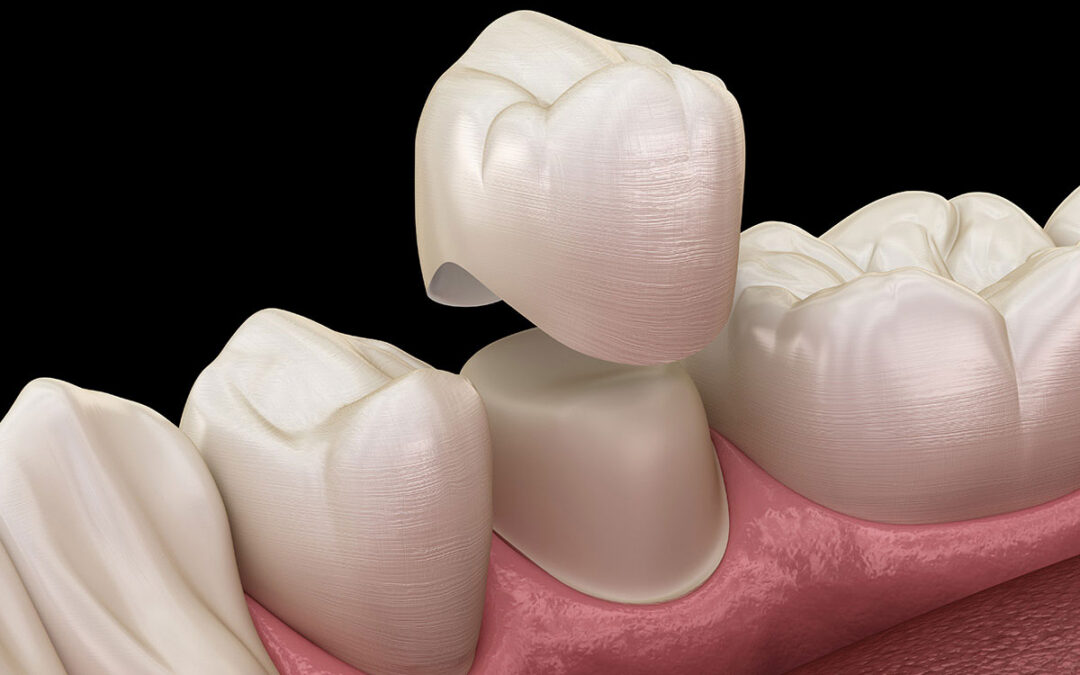
A dental crown is a custom-made restoration that covers the visible portion of a tooth above the gumline. It is designed to protect the remaining tooth structure while restoring a comfortable biting surface.
Crowns can be made from several materials, including porcelain, zirconia, metal alloys, or combinations of materials. Your dentist will recommend an appropriate option based on the tooth’s location, the forces it experiences, and your individual treatment needs.
Dental crowns are frequently recommended for teeth weakened by extensive decay, fractures, large existing fillings, or certain root canal treatments.
Unlike a filling, which replaces a specific area of missing tooth structure, a crown generally provides coverage across the chewing surface and around the sides of the prepared tooth.
This broader coverage can help distribute biting forces and protect vulnerable areas. However, crowns are not necessary for every damaged tooth, and they should only be recommended when the clinical situation supports their use.
How Are Dental Crowns Different From Fillings?
Dental fillings are commonly used to repair relatively small or moderate areas of tooth damage. During treatment, the dentist removes decayed tooth structure and replaces it with an appropriate restorative material.
Tooth-colored composite resin is frequently used because it bonds to tooth structure and can blend naturally with surrounding enamel.
For a limited cavity or small chip, a filling may provide an effective and conservative solution. However, when too much healthy tooth structure has been lost, a filling may not withstand normal chewing forces reliably.
A dental crown covers more of the tooth and can provide additional structural protection. This is especially important when the remaining walls of the tooth are thin or vulnerable to fracture.
The decision between a crown and filling depends on the size and location of the damage, the patient’s bite, and the strength of the remaining tooth.
Therefore, a dental examination is the best way to determine which restoration is likely to provide dependable long-term results.
Seven Signs You May Need a Dental Crown
1. Your Tooth Has a Large Cavity
When decay affects a substantial portion of the tooth, there may not be enough healthy structure left to support a traditional filling. A crown can provide coverage that helps protect the remaining tooth.
However, the dentist must first determine whether the tooth is restorable and whether other treatment is necessary.
2. An Existing Filling Keeps Breaking
Repeatedly damaged fillings may indicate that the surrounding tooth structure is no longer strong enough to support the restoration.
Although replacing the filling might temporarily address the problem, a crown may provide a more durable approach when the tooth is significantly weakened.
3. You Have a Cracked Tooth
Cracks can develop because of trauma, grinding, excessive biting forces, or gradual wear. Some fractures cause sharp pain when chewing, while others produce intermittent sensitivity.
A crown may help protect certain cracked teeth by holding the remaining tooth structure together. However, fractures extending deeply into the root may require different treatment.
4. Your Tooth Has Undergone Root Canal Treatment
Root canal treatment removes inflamed or infected tissue from inside the tooth. Afterward, the tooth requires an appropriate restoration to protect it against future damage.
Back teeth that undergo root canal treatment frequently benefit from crowns because they experience substantial chewing forces.
Nevertheless, the final restoration depends on how much tooth structure remains and the tooth’s specific location.
5. A Tooth Has Significant Wear
Grinding, clenching, and long-term erosion can gradually wear down tooth surfaces. In some circumstances, dental crowns help rebuild lost structure and restore chewing function.
However, addressing the cause of the wear is equally important. Without managing the underlying problem, a new crown may experience excessive stress.
6. A Tooth Is Severely Chipped or Broken
A small chip may be repaired with bonding or another conservative treatment. Larger fractures, particularly those involving the chewing surface, may require a crown.
Prompt evaluation can help determine whether the tooth can be preserved and which restoration offers appropriate protection.
7. You Need to Restore a Tooth’s Shape or Function
Some teeth have structural irregularities that interfere with comfortable chewing or contribute to uneven wear. In selected cases, a crown can restore tooth contours and function.
Before recommending treatment, your dentist will assess your bite and discuss whether less extensive options are available.
Benefits of Dental Crowns
Dental crowns can serve several important restorative purposes. When properly planned and maintained, they help protect vulnerable teeth while supporting comfortable everyday function.
- Protection for weakened teeth: Crowns cover vulnerable tooth structure and can reduce certain fracture risks.
- Restored chewing ability: A properly fitted crown helps rebuild a damaged biting surface.
- Natural-looking appearance: Tooth-colored crown materials can be selected to complement surrounding teeth.
- Support after root canal treatment: Crowns can protect heavily restored teeth after treatment when clinically indicated.
- Long-lasting restoration: With good oral hygiene and regular monitoring, crowns can remain functional for many years.
- Improved tooth contours: Custom fabrication allows the restoration to match the intended tooth shape and bite.
- Preservation of existing teeth: A crown may allow a damaged natural tooth to remain functional rather than requiring extraction.
While dental crowns provide valuable protection, they do not make teeth immune to decay, gum disease, or future damage. Long-term success still depends on daily care and professional maintenance.
What Happens During a Dental Crown Procedure?
The crown process begins with an examination to determine the condition of the tooth. Your dentist may recommend X-rays to evaluate decay, existing restorations, or concerns involving the tooth root.
If a crown is appropriate, the tooth is prepared by removing decay and shaping the remaining structure to accommodate the restoration.
In some cases, additional restorative material may be needed to rebuild areas where substantial tooth structure has been lost.
Next, the dentist obtains an impression or digital scan that captures the shape of the prepared tooth and the relationship between the upper and lower teeth.
Depending on the available technology and crown material, fabrication may occur in a dental laboratory or through another restorative workflow.
A temporary crown may be placed while the final restoration is being made. This temporary covering helps protect the tooth until the permanent crown is ready.
During the placement appointment, your dentist evaluates the fit, appearance, and bite before securing the crown.
Finally, any necessary adjustments help ensure that the restoration functions comfortably with the surrounding teeth.
Does Getting a Dental Crown Hurt?
Many patients are concerned about discomfort during crown treatment. Fortunately, local anesthesia is commonly used to numb the area while the tooth is prepared.
You may feel pressure or vibration during the procedure, but significant pain is not expected when anesthesia is effective.
Afterward, some patients experience temporary gum tenderness or tooth sensitivity. These symptoms often improve as the area settles.
If the crown feels unusually high when biting, causes persistent pain, or produces increasing sensitivity, contact your dentist for evaluation. A small adjustment may sometimes resolve a bite concern.
At Red River Dental, we emphasize a comfortable, personalized dental experience. Patients who experience dental anxiety are encouraged to discuss their concerns so the team can explain available comfort options.
How Long Do Dental Crowns Last?
The lifespan of dental crowns varies based on material, placement, oral hygiene, bite forces, and overall dental health.
Many crowns remain functional for ten years or longer, while others may need replacement sooner because of damage, decay, or changes in the supporting tooth.
For example, patients who grind their teeth may place additional pressure on crowns. Similarly, inadequate cleaning around the crown margins can allow decay to develop in the natural tooth underneath.
Although crown materials are durable, they can still chip, fracture, or become loose. Regular dental evaluations help identify wear and other concerns before they become more serious.
Rather than expecting a specific number of years, it is more useful to focus on proper maintenance and protecting the natural tooth supporting the crown.
How to Care for Your Dental Crown
Caring for a dental crown is similar to caring for your natural teeth. Brush twice daily with fluoride toothpaste and clean between your teeth every day.
Pay particular attention to the area where the crown meets the gumline. Although the crown itself cannot develop a cavity, the natural tooth at its margins remains vulnerable to decay.
Additionally, avoid using your teeth to open packages or bite objects that could damage a restoration.
If you grind or clench your teeth, ask your dentist whether a protective nighttime appliance may be appropriate.
Routine dental examinations are also essential. Your dentist can assess the crown’s fit, monitor the surrounding gums, and look for signs of wear or recurrent decay.
Scheduling regular dental cleanings supports the health of both restored and natural teeth.
Can a Dental Crown Save a Tooth From Extraction?
In many situations, a crown can help preserve a damaged tooth that might otherwise be at risk of further fracture.
However, a crown cannot repair every type of damage. If a tooth has a deep vertical root fracture, extensive decay below the gumline, or insufficient supporting bone, extraction may sometimes be necessary.
The dentist will consider how much healthy tooth structure remains, whether the root is sound, and whether the tooth can support a predictable restoration.
If preservation is not possible, restorative dentistry options such as dental implants or bridges may help replace the missing tooth.
Seeking evaluation when symptoms first appear can sometimes expand the available treatment options. For example, addressing a cracked filling before additional tooth structure fractures may help prevent more extensive damage.
Is a Crown Always Better Than a Filling?
No. Crowns and fillings serve different purposes, and the best treatment is the one that addresses the dental problem while preserving appropriate healthy tooth structure.
For smaller cavities, a filling may be the most conservative and effective restoration. A crown requires more extensive preparation and should not automatically be selected simply because it provides greater coverage.
Conversely, using a large filling on a severely weakened tooth may create a greater risk of fracture or repeated restorative failure.
Factors such as the tooth’s location, remaining enamel, existing cracks, chewing forces, and overall dental health should guide the recommendation.
A personalized examination allows your dentist to explain the advantages and limitations of each treatment rather than applying the same solution to every patient.
What Happens If You Delay Treatment for a Damaged Tooth?
A damaged tooth may not always cause immediate pain. However, untreated cracks, decay, or deteriorating restorations can sometimes progress.
A small crack may become larger under repeated chewing forces. Likewise, decay around an aging filling can extend deeper into the tooth, potentially reaching the sensitive inner tissue.
As a result, treatment that might initially require a filling or crown can sometimes become more involved.
Not every damaged tooth will deteriorate at the same rate. Nevertheless, delaying evaluation creates uncertainty about what is happening beneath the visible surface.
If you notice pain when chewing, a loose filling, a new chip, or ongoing sensitivity, scheduling an examination can help you understand whether treatment is necessary.
Frequently Asked Questions About Dental Crowns
How do I know if I need a crown instead of a filling?
A crown may be recommended when a tooth has extensive decay, a large existing filling, significant cracks, or too little healthy structure remaining for a filling to provide adequate support. A dental examination is necessary to determine the most appropriate restoration.
Can you get a cavity underneath a dental crown?
Yes. While the crown material itself does not decay, the natural tooth underneath can develop cavities, particularly near the crown margins. Daily brushing, flossing, and regular dental visits remain essential.
Is it normal for a dental crown to feel sensitive?
Mild sensitivity may occur temporarily after crown placement. Persistent, severe, or worsening discomfort should be evaluated to determine whether the bite, underlying tooth, or surrounding tissues need attention.
Can a broken dental crown be repaired?
Some minor crown problems may be repairable, while significant fractures or poor fit may require replacement. A dentist should examine the restoration before recommending the best solution.
Are dental crowns permanent?
Dental crowns are long-term restorations, but they are not guaranteed to last forever. Normal wear, accidental damage, decay, and changes in the supporting tooth can eventually make repair or replacement necessary.
Protect Your Natural Teeth With Personalized Dental Care
A damaged tooth does not automatically mean extraction or extensive treatment. In many situations, dental crowns can help restore strength, preserve function, and protect the natural tooth for years to come. The key is understanding when a crown offers greater support than a traditional filling.
If you have a cracked, worn, or weakened tooth, Book an Appointment with Red River Dental in East Grand Forks, MN. Call (218) 773-3004 or visit our contact page to discuss your restorative dental care options.