
Have you ever noticed pink toothpaste in the sink or a small amount of blood when flossing? It can be tempting to assume that bleeding gums are normal, especially if they only happen occasionally. However, persistent bleeding is often a sign that your gum tissues need attention. Understanding the difference between temporary irritation and developing gum disease can help you protect your teeth before more serious problems occur.
At Red River Dental, we provide personalized gum disease treatment in East Grand Forks to help patients manage inflammation and maintain healthier smiles. For some individuals, regular dental cleanings and improved home care may be sufficient. Others may benefit from a deep dental cleaning, also called scaling and root planing. Knowing what these treatments involve makes it easier to recognize when professional care is necessary.
Why Do Gums Bleed When Brushing or Flossing?
Healthy gums generally fit comfortably around the teeth without frequent bleeding during gentle brushing or flossing. When gum tissue becomes irritated or inflamed, however, its tiny blood vessels can become more sensitive.
One of the most common causes is plaque, a sticky film of bacteria that continuously forms on tooth surfaces. When plaque collects along the gumline, it can trigger the body’s inflammatory response.
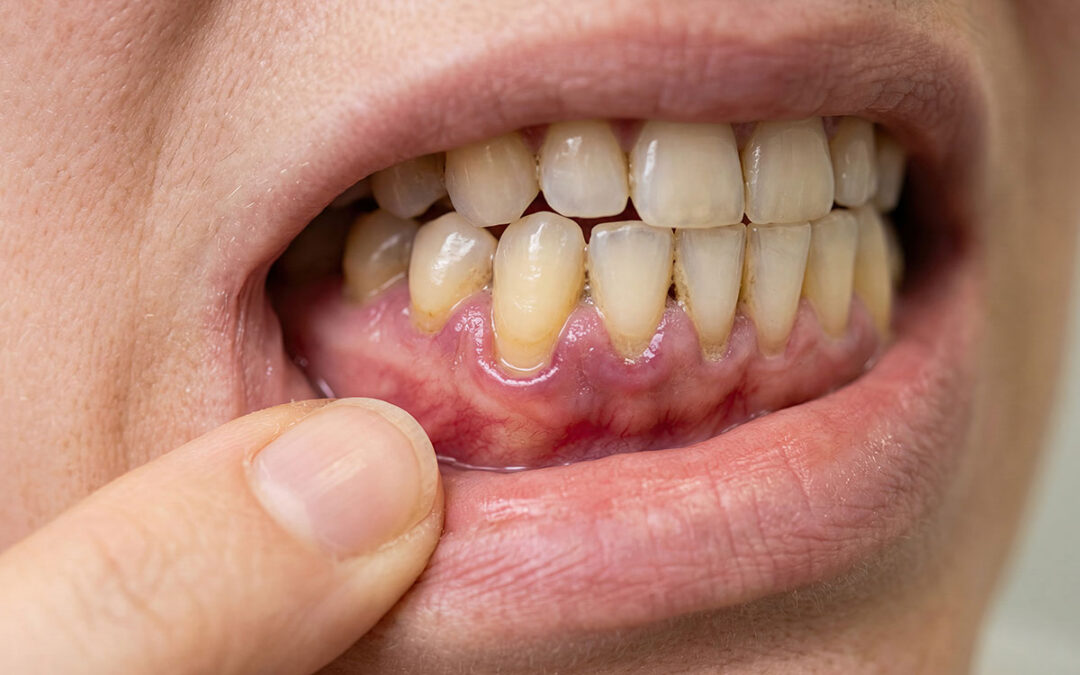
As inflammation develops, gums may become red, swollen, tender, or more likely to bleed. This early condition is known as gingivitis.
Bleeding can also occur when someone begins flossing after a long period without cleaning between teeth. Nevertheless, repeated bleeding should not simply be dismissed as a normal adjustment.
Other possible causes include brushing too aggressively, certain medications, hormonal changes, and some medical conditions. Therefore, a professional examination is important when bleeding persists or occurs without an obvious explanation.
What Is Gum Disease?
Gum disease, also called periodontal disease, affects the tissues that surround and support the teeth. It usually begins when bacterial plaque accumulates along the gumline.
The earliest stage, gingivitis, involves inflammation of the gum tissue without the permanent destruction of the deeper supporting structures.
With appropriate professional care and consistent home hygiene, gingivitis can often be reversed.
However, when inflammation progresses, periodontal disease may affect the connective tissues and bone that hold teeth in position.
This more advanced condition is called periodontitis. Unlike gingivitis, periodontitis involves changes to supporting tissues that are not always fully reversible.
Although treatment can help control the condition and protect remaining support, lost bone does not automatically return following routine periodontal therapy.
Importantly, gum disease can develop without significant pain. Patients may not realize there is a problem until bleeding, gum recession, or tooth mobility becomes noticeable.
Common Warning Signs of Gum Disease
Recognizing the signs of periodontal disease can help patients seek care before complications become more extensive.
- Gums that bleed repeatedly while brushing or flossing.
- Persistent redness or swelling around the teeth.
- Ongoing bad breath or an unpleasant taste.
- Gums that appear to be pulling away from the teeth.
- Teeth that look longer because of gum recession.
- New spaces developing between neighboring teeth.
- Changes in the way teeth fit together when biting.
- Teeth that feel loose or shift position.
Not every symptom confirms gum disease. For example, bad breath may also be related to dry mouth, certain foods, or other oral health conditions.
Nevertheless, several warning signs occurring together deserve prompt professional evaluation. Likewise, gum disease may be present even when obvious symptoms are absent.
What Is the Difference Between a Regular Cleaning and a Deep Cleaning?
A regular professional dental cleaning typically focuses on removing plaque, hardened tartar, and surface deposits from accessible areas of the teeth.
These appointments are an important part of preventive dental care and are generally recommended according to each patient’s oral health needs.
A deep dental cleaning is different because it addresses bacterial deposits associated with periodontal disease beneath the gumline.
The procedure, called scaling and root planing, involves carefully cleaning affected tooth root surfaces.
Scaling removes plaque and tartar from the teeth and root surfaces. Root planing smooths contaminated root surfaces when clinically appropriate, helping support healing and making bacterial buildup easier to control.
Deep cleaning is not simply a more thorough version of an ordinary polishing appointment. It is a therapeutic procedure recommended when periodontal findings indicate that deeper treatment is necessary.
Your dentist will determine which approach is appropriate based on gum measurements, inflammation, plaque accumulation, and available diagnostic information.
When Is Scaling and Root Planing Recommended?
Scaling and root planing may be recommended when periodontal disease has caused deeper spaces between the gums and teeth where harmful deposits accumulate.
During an examination, the dental team may gently measure these spaces using a small periodontal instrument.
These measurements, combined with bleeding patterns, gum condition, and dental imaging, help identify areas requiring treatment.
However, pocket depth alone does not automatically determine whether deep cleaning is necessary. The dentist also considers attachment loss, bone support, medical history, and other clinical findings.
For example, someone with mild gingivitis may benefit from professional cleaning and improved daily hygiene rather than extensive periodontal therapy.
Meanwhile, a patient with established periodontitis may need scaling and root planing followed by ongoing periodontal maintenance.
At Red River Dental, treatment recommendations are based on the individual condition of your gums and supporting structures.
Benefits of Gum Disease Treatment
Professional gum disease treatment helps manage bacterial buildup and inflammation while supporting the health of the tissues that hold teeth in place.
- Reduced inflammation: Removing bacterial deposits can help irritated gum tissues become healthier.
- Less frequent bleeding: As inflammation improves, gums may become less likely to bleed during gentle daily cleaning.
- Improved periodontal stability: Appropriate treatment can help slow or control further damage to supporting tissues.
- Better breath: Reducing bacterial accumulation may improve breath affected by periodontal inflammation.
- Easier daily cleaning: Professional removal of hardened tartar creates surfaces that are easier to maintain.
- Earlier identification of problems: Periodontal examinations help reveal areas that require closer monitoring.
- Protection of natural teeth: Controlling gum disease can reduce the risk of further attachment loss and related tooth complications.
While these benefits are important, results vary depending on disease severity, smoking, medical conditions, home care, and ongoing professional maintenance.
What Happens During a Deep Dental Cleaning?
Before treatment begins, the dentist reviews the affected areas and explains the recommended approach.
Local anesthesia may be used to reduce discomfort during scaling and root planing, particularly when deposits extend deeper beneath the gums.
The dental professional then uses specialized instruments to remove plaque, tartar, and other deposits from the affected tooth surfaces.
Ultrasonic instruments may be used along with hand instruments to clean difficult-to-reach areas.
Depending on the extent of periodontal disease, treatment may be completed during one appointment or divided into several visits.
After the cleaning, the dental team explains how to maintain the treated areas while the gums heal.
A follow-up evaluation may be recommended to assess tissue response, bleeding, and remaining periodontal pockets.
If certain areas do not respond adequately, additional periodontal treatment or referral to a specialist may be considered.
Does Deep Cleaning Hurt?
Many patients worry that scaling and root planing will be uncomfortable. Fortunately, local anesthesia can help numb the areas being treated.
During the appointment, patients may notice pressure or vibration from the instruments, but significant pain should be communicated to the dental team.
After treatment, mild gum tenderness, sensitivity to temperature, or minor bleeding may occur.
These effects commonly improve as healing progresses, although the recovery experience varies from person to person.
Following your dentist’s recommendations concerning brushing, flossing, and appropriate pain relief can help manage temporary discomfort.
If pain becomes severe, swelling increases, or symptoms fail to improve as expected, contact the office for guidance.
How Long Does It Take for Gums to Heal?
Initial tenderness after scaling and root planing often improves within several days, but the deeper tissue response continues over a longer period.
As inflammation decreases, gums may become firmer and less swollen. Some patients notice that their teeth appear slightly longer because previously inflamed gum tissue has reduced in size.
Temperature sensitivity can sometimes become more noticeable as exposed root surfaces are no longer covered by swollen gums.
These changes should be discussed during follow-up visits so the dental team can recommend appropriate management.
Periodontal healing is influenced by disease severity and daily habits. Smoking, uncontrolled medical conditions, and inconsistent plaque removal may interfere with the response to treatment.
Therefore, successful gum disease treatment involves both professional therapy and continued home care.
Can Gum Disease Come Back After Treatment?
Gum disease can recur or progress if bacterial plaque accumulates again and the condition is not adequately controlled.
Scaling and root planing removes existing deposits and supports healing, but it does not permanently eliminate the bacteria that naturally live in the mouth.
For this reason, ongoing periodontal maintenance is an important part of care for patients with a history of periodontitis.
Unlike a routine preventive cleaning schedule, periodontal maintenance intervals are individualized according to disease stability and risk factors.
Some patients need more frequent appointments to maintain gum health, while others may be able to follow a longer interval once the condition is stable.
Daily brushing with fluoride toothpaste, cleaning between teeth, and following personalized instructions are essential for long-term management.
Regular dental cleanings and examinations also provide opportunities to monitor changes and address concerns early.
How Can You Keep Your Gums Healthy at Home?
Consistent home care is one of the most effective ways to support healthier gum tissues.
Brush twice daily using a soft-bristled toothbrush and fluoride toothpaste. Angle the bristles gently toward the gumline rather than scrubbing with excessive pressure.
Clean between teeth every day using floss, interdental brushes, or another method recommended by your dentist.
Depending on your individual needs, certain mouth rinses may also be appropriate. However, rinses should not replace mechanical plaque removal.
If you smoke or use tobacco products, reducing or quitting can improve periodontal health and support healing.
Patients managing diabetes or other medical conditions should follow their healthcare team’s recommendations, as systemic health can influence gum disease risk and treatment response.
Finally, avoid waiting for pain before scheduling an examination. Periodontal problems often progress quietly, making preventive appointments particularly valuable.
Frequently Asked Questions About Gum Disease Treatment
Does bleeding when flossing always mean gum disease?
No. Bleeding can have several causes, including temporary irritation, brushing technique, medications, or inflammation. However, persistent bleeding should be assessed by a dental professional.
Can gingivitis be reversed?
Yes. Gingivitis can often be reversed through professional dental care and consistent plaque removal at home, provided more advanced periodontal damage has not occurred.
How is deep cleaning different from regular cleaning?
A regular cleaning supports preventive oral health, while scaling and root planing treats bacterial deposits on root surfaces beneath the gumline when periodontal disease is present.
Will I need periodontal maintenance after deep cleaning?
Many patients with periodontitis benefit from ongoing periodontal maintenance. The frequency depends on disease severity, treatment response, and individual risk factors.
Can gum disease cause tooth loss?
Advanced periodontal disease can damage the bone and tissues supporting teeth. Without effective treatment, this damage can eventually contribute to tooth mobility and tooth loss.
Take Care of Your Gums in East Grand Forks
Bleeding gums may seem like a minor inconvenience, but persistent inflammation deserves attention. Understanding the signs of periodontal disease and seeking appropriate treatment can help protect the tissues that support your natural teeth.
If you have noticed bleeding, tenderness, or changes in your gums, Book an Appointment with Red River Dental in East Grand Forks, MN. Call (218) 773-3004 or contact our dental team to discuss an evaluation.